
The History of Skirting Boards and Why MDF is the Modern Solution
Skirting boards, also known as baseboards in some parts of the world, have been a staple in interior design for centuries.
These seemingly simple architectural elements play a crucial role in both the aesthetics and functionality of our living spaces.
In this comprehensive guide taking inspiration from MR Mouldings, we’ll explore the fascinating history of skirting boards and delve into why Medium Density Fibreboard (MDF) has become the go-to material for modern skirting solutions.
The Origins of Skirting Boards
Skirting boards have a rich history dating back to ancient times.
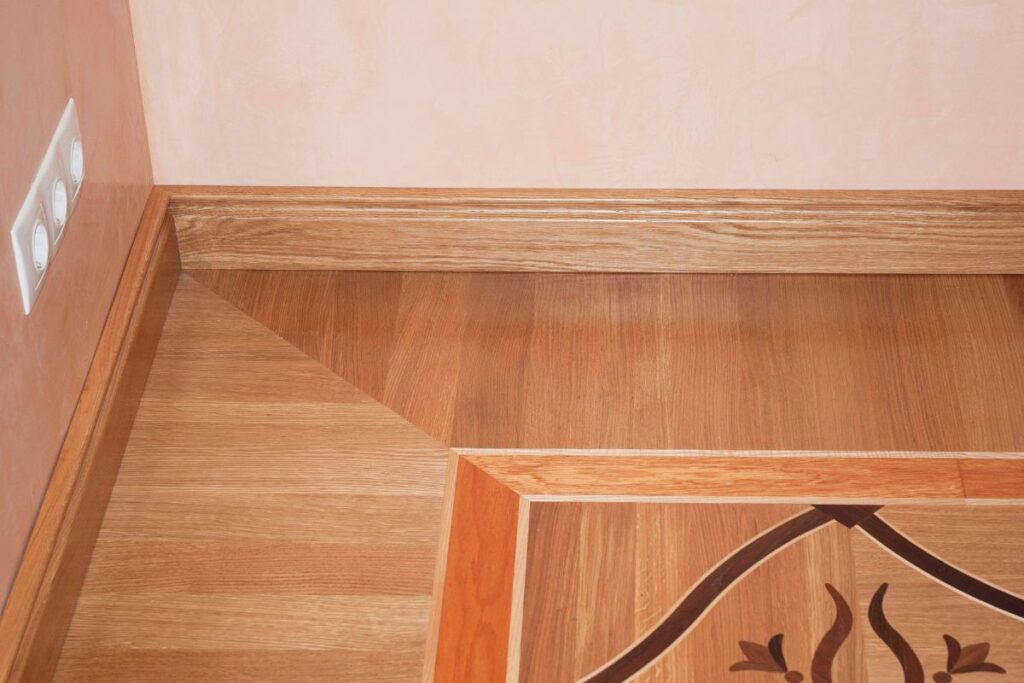
The concept of protecting the lower part of walls can be traced to the Romans, who used a form of wainscoting to shield their walls from damage.
However, skirting boards as we know them today began to emerge in the late 15th century.
Tudor and Elizabethan Eras
During the Tudor and Elizabethan periods (late 15th to early 17th centuries), skirting boards were primarily functional.
They served to cover the junction between walls and floors, hiding any imperfections and protecting the plaster from damage caused by furniture and foot traffic.
Georgian Era
The Georgian era (1714-1837) saw a significant evolution in skirting board design. As architectural styles became more refined, skirting boards grew taller and more ornate.
They became an integral part of a room’s decor, often featuring intricate mouldings and patterns that complemented other architectural elements.
Victorian Era
The Victorian period (1837-1901) is often considered the golden age of skirting boards. During this time, they reached new heights – both literally and figuratively.
Victorian skirting boards were typically very tall, sometimes reaching up to one-third of the wall height. They featured elaborate designs and were often painted in dark colours to contrast with lighter walls.
20th Century
As the 20th century progressed, there was a shift towards simpler, more minimalist designs.
The Art Deco movement of the 1920s and 1930s favoured clean lines and geometric patterns, influencing skirting board designs of the time.
Post-war architecture often featured lower ceilings, which naturally led to shorter skirting boards.
The Evolution of Materials
Throughout history, the materials used for skirting boards have evolved alongside architectural trends and technological advancements.
Wood: The Traditional Choice
For centuries, wood was the primary material for skirting boards. Hardwoods like oak, mahogany, and pine were popular choices due to their durability and aesthetic appeal. However, wood skirting boards have several drawbacks:
- Susceptibility to warping and shrinking
- Vulnerability to moisture damage
- Potential for insect infestation
- Higher cost, especially for premium hardwoods
The Rise of MDF
In recent decades, Medium Density Fibreboard (MDF) has emerged as a superior alternative to traditional wood skirting boards.
MDF is an engineered wood product made by breaking down hardwood or softwood residuals into wood fibres and combining them with wax and resin binder under high temperature and pressure.
Why MDF is the Modern Solution for Skirting Boards
MDF has rapidly become the material of choice for skirting boards, offering numerous advantages over traditional wood:
1. Cost-Effective
MDF is significantly more affordable than solid wood, making it an attractive option for both homeowners and contractors.
This cost-effectiveness doesn’t come at the expense of quality, as MDF skirting boards can be finished to a high standard.
2. Consistency and Stability
Unlike natural wood, MDF doesn’t have knots, grains, or imperfections. This uniformity ensures a consistent appearance across all skirting boards in a room.
Moreover, MDF is less prone to warping, shrinking, or expanding due to temperature and humidity changes.
3. Versatility in Design
MDF can be easily moulded and shaped into various profiles, allowing for a wide range of design options.
Whether you’re looking for a simple, modern profile or an intricate period-style moulding, MDF can accommodate your needs.
4. Ease of Installation
MDF skirting boards are typically lighter than solid wood alternatives, making them easier to handle and install.
They can be cut cleanly with standard woodworking tools, reducing installation time and effort.
5. Smooth Finish
The smooth surface of MDF provides an excellent base for painting. It doesn’t require extensive preparation and can achieve a flawless finish with fewer coats of paint compared to wood.
6. Moisture Resistance
While not completely waterproof, modern MDF skirting boards often come with moisture-resistant properties, making them suitable for use in areas with higher humidity levels, such as kitchens and bathrooms.
7. Eco-Friendly Option
MDF is often made from recycled wood fibres and industrial wood waste, making it a more environmentally friendly choice compared to harvesting new timber for solid wood skirting boards.
Choosing the Right MDF Skirting Board
When selecting MDF skirting boards for your property, consider the following factors:
- Profile: Choose a design that complements your interior style and the period of your property.
- Height: The height of your skirting board should be proportional to your room’s ceiling height.
- Finish: Decide whether you want pre-primed boards ready for painting or pre-finished options in various colours and wood-effect finishes.
- Quality: Opt for high-quality MDF from reputable manufacturers to ensure durability and longevity.
Installation and Maintenance
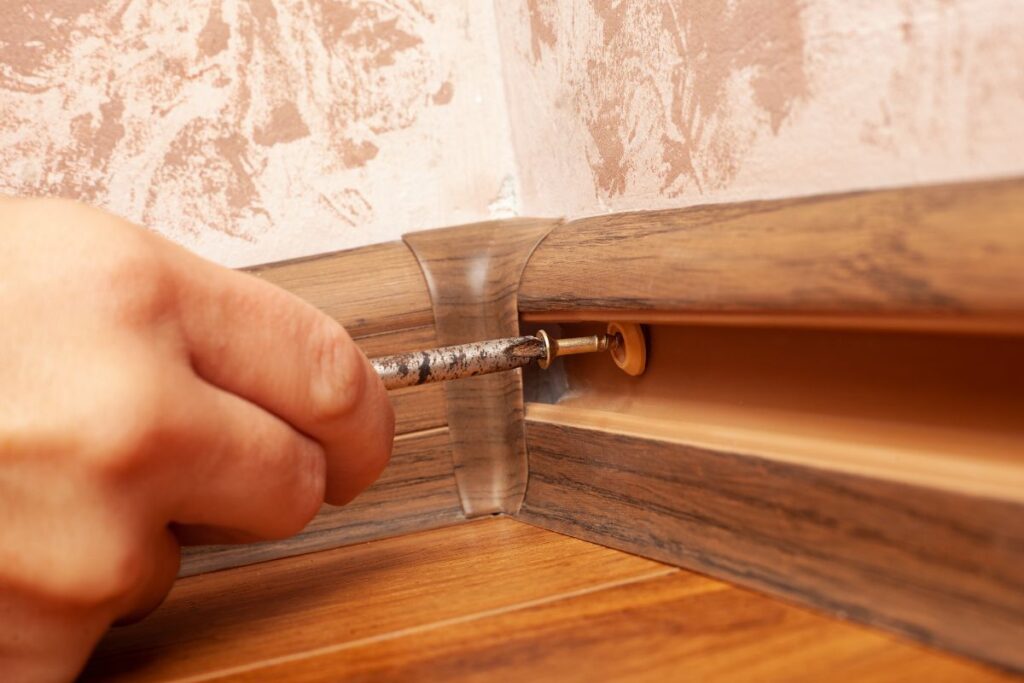
Installing MDF skirting boards is a relatively straightforward process, but it’s essential to follow best practices:
- Acclimatise the boards to your room’s conditions before installation.
- Use appropriate adhesives and fixings for a secure fit.
- Paint or finish the boards after installation for a seamless look.
Maintaining MDF skirting boards is simple. Regular dusting and occasional cleaning with a damp cloth are usually sufficient.
If repainting is necessary, light sanding and priming can refresh the appearance of your skirting boards.
Conclusion
The history of skirting boards reflects the evolution of interior design and architectural trends over the centuries.
While wood has long been the traditional material of choice, MDF has revolutionised the world of skirting boards, offering a cost-effective, versatile, and high-quality alternative.
As we continue to seek practical and aesthetically pleasing solutions for our homes, MDF skirting boards stand out as the modern choice.
They combine the best of traditional design with contemporary materials, ensuring that this essential architectural element continues to play a vital role in our living spaces for years to come.
Whether you’re renovating a period property or building a modern home, MR Mouldings are experts in providing MDF skirting boards that perfectly blend style, functionality, and value.