
The Role of an eCommerce Configurator in Personalization & Mass Customization
What do customers expect in modern eCommerce?
The answer: 80% of shoppers are more likely to buy when offered personalized options. That’s also where personalization and mass customization shine as an eCommerce trend.
And eCommerce configurators step in, letting customers design everything on their own. They help satisfy buyer demands and refine shopping with individuality and scalability.
This blog will clarify how eCommerce configurators can level up personalization and mass customization and how to implement them effectively. Right now, let’s get into it!
What is an eCommerce configurator?
An eCommerce configurator is a product configurator that allows users to interact with their own products by selecting colors, dimensions, and other specifications in real time.
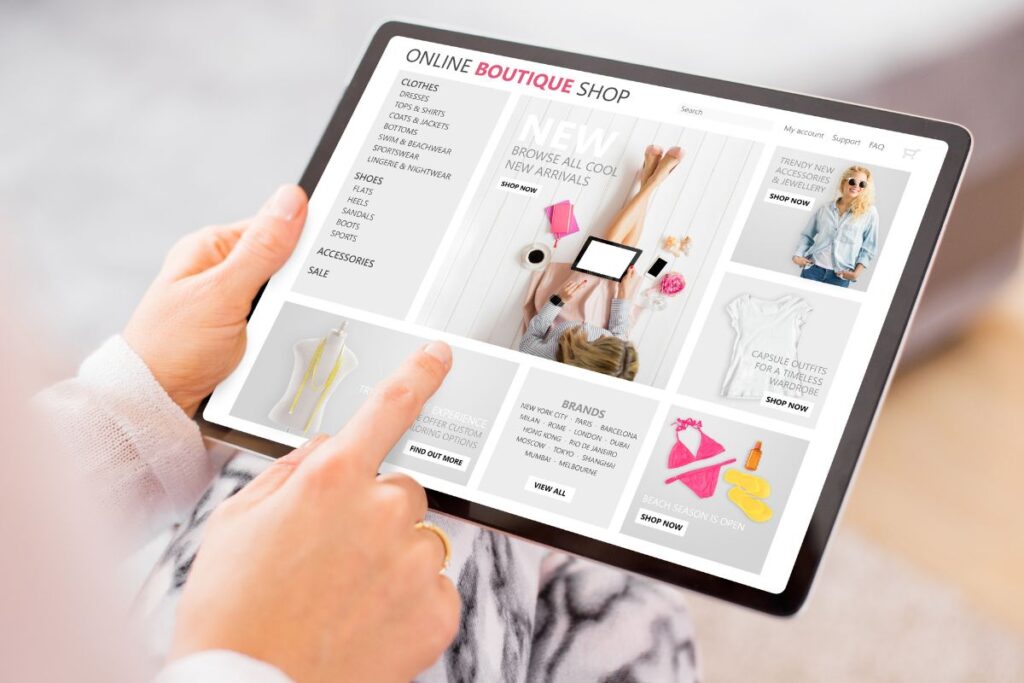
Compared to traditional shopping, where options are limited to pre-made inventory, these sales configurators help enable a more dynamic and immersive user experience.
2D and 3D configurators are the 2 most common eCommerce configurators these days.
However, 3D product configurators have become a go-to choice for many businesses thanks to the ability to display every product variant and combination in 360 degrees.
This provides visual feedback, ensuring customers can see exactly what they’re building.
How eCommerce Configurators Level Up Personalization and Mass Customization
This section will focus on the benefits of using eCommerce configurators to optimize the role of personalization and mass customization for both beginners and seasonal sellers.
Personalization
More and more shoppers want products that reflect their individuality or unique values.
That’s where 3D configurators can work to offer granular control over design elements. Customers can freely choose all product features within a seamless interface dashboard.
This encourages their engagement and makes them feel involved in finalizing products.
3D product configurators also increase personalized experiences via 3D visualizations.
These accurate, interactive previews effectively eliminate guesswork, build customer trust, and enhance confidence in their purchasing decisions.
Consequently, shoppers might feel more secure in their choices, especially for high-end, complex, or tech items.
Mass customization
While personalization caters to individual preferences, mass customization scales this concept to meet broader demand without sacrificing operation efficiency in the long run.
Let’s look at our example here:
Furniture brands might offer thousands of fabric and frame combinations yet fulfill orders on-demand to balance their sales strategy and stay ahead in the eCommerce market.
That’s when they decided to utilize eCommerce configurators with their modular logic.
These 3D configurators can ensure feasible finalized designs and automate production workflows by seamlessly integrating with eCommerce platforms, CRM, and ERP systems.
Notably, 3D sales configurators can provide data-driven insights that help sellers identify trends—such as popular colors, dimensions, or add-ons—and refine their offerings.
Apparently, this flexible, customer-centric approach is key to rivaling in mass production.
6 Best Practices for Using eCommerce Configurators
Using eCommerce configurators for personalization and mass production is not just its setups on your store; it’s important to learn how to control their performance effectively.
Understand that, we will list out the 6 best strategies to consider for successful adoption:
1. Leverage real-time 3D customizations
3D customizations can enable more interaction with your 3D sales configurators, including rotating products 360 degrees, zooming in, and viewing in sharp 4K resolution.
All of these adjustments and combinations are updated in real-time for easy-to-follow. This boosts excitement, builds confidence, and leads to higher conversion rates in stores.

2. Adopt Augmented Reality (AR) & Virtual Reality (VR)
Both AR and VR have been emerging trends that significantly influence the success of eCommerce configurators in personalization and mass customization niches.
While AR allows users to visualize designs in their own space, VR offers a more true-to-life feeling.
As a result, buyers can easily evaluate whether the finalized products match their space. This is especially important to reduce decision-making barriers and product returns.
3. Establish rule-based configuration
Not every combination in your 3D product configurators is feasible and cost-effective.
That’s why you and your tech team need to consider rule-based configuration and built-in logic to ensure that customer choices align with current production capabilities.
Most furniture/ modular building businesses consider this practice for their configurators.
Their products are complex, and demand dependence among variants and a tiny fault in the finalized product design can lead to inefficiency and a lack of safety.
4. Have seamless integration
One of the leading strategies for adopting eCommerce configurators in online stores is integrating well with existing systems, such as eCommerce platforms, CRMs, and ERPs.
This seamless connectivity ensures customer selections translate into accurate orders and timely fulfillment. Also, sellers can lead to a smooth workflow and save their efforts.
5. Ensure mobile-responsiveness
With mobile shopping on the rise, it’s important to ensure sales configurators perform flawlessly on smaller screens like smartphones or tablets.
A mobile-responsive design ensures that users can design products on the go with the best functionality and visuals.
Whether it’s pinching to zoom on this configurator or swiping via options, the experience should feel intuitive across devices. All of these can help you stay ahead in the market.
6. Implement 3D planning room
In specific industries like home furnishing or modular systems, 3D planning rooms are one of the best 3D eCommerce trends to add immense value to your eCommerce store.
Customers can freely design entire spaces—arranging furniture and adjusting layouts —all within your 3D eCommerce configurator.
Many sellers admit it is like an interactive showroom that empowers buyers and positions their brands as innovative leaders.
Besides eCommerce configurators, AI-powered tools are highly recommended to enhance personalization and mass customization in eCommerce.
They can ultilize user-driven data to lead to AI-driven recommendations, automated error detection, and innovative suggestions. This helps optimize sales processes, saving much time and effort.
Conclusion
The eCommerce configurator is more than a tool—it’s a catalyst for redefining how businesses connect with customers.
By resonating your configurators with proper tips, you can ensure the maximum positive impact in personalization and mass customization.
If you’re struggling to set everything up on your own, consider partnering with 3D product configuration professionals like VividWorks.
Their expertise can help streamline implementation, ensure top-tier performance, and bring an immersive shopping journey.