
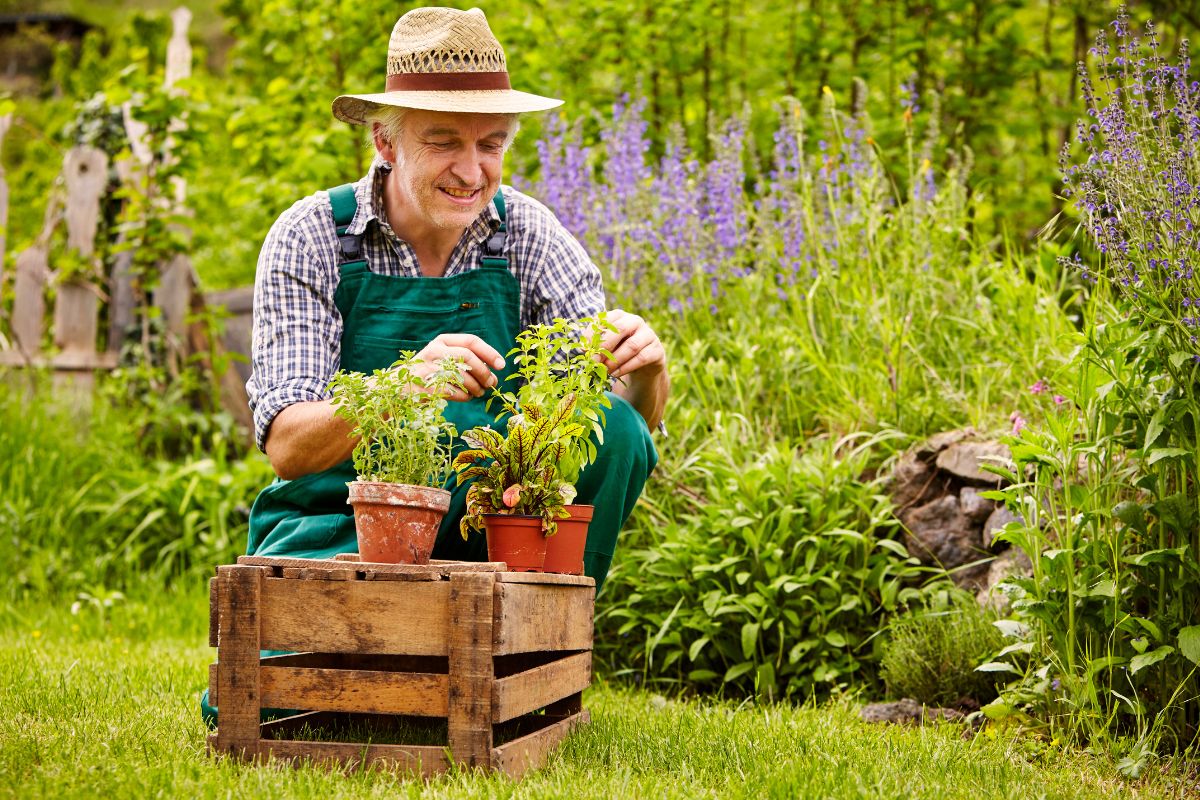
Embracing the art of gardening in the face of climate change
Gardening is no longer just a hobby; it has evolved into a crucial practice for sustainability and health.
As the planet grapples with changing climates, the art of gardening offers more than aesthetic pleasure—it presents solutions to environmental challenges and promotes personal well-being.
While traditionally associated with tranquility and personal enrichment, gardening now assumes a pivotal role in fostering ecological balance and resilience.
The modern gardener navigates a landscape where innovative techniques meet time-honored traditions, all aimed at thriving amid climatic shifts.
Critical to this evolution are practices that emphasize water conservation, soil health, and biodiversity.
These elements synergize to form a robust approach to tackling the unforeseen hurdles climate change poses.
By adopting eco-friendly and efficient gardening decisions, enthusiasts do more than cultivate plants; they nurture a sustainable future.
This keen awareness infuses the gardening community with renewed purpose, driving innovations that support both environmental health and global food security.
As such, the journey into gardening becomes not just a pastime but a meaningful commitment to sustaining life on Earth.
Home and community gardening
In recent years, home and community gardening have surged in popularity, driven by their profound social and psychological benefits.
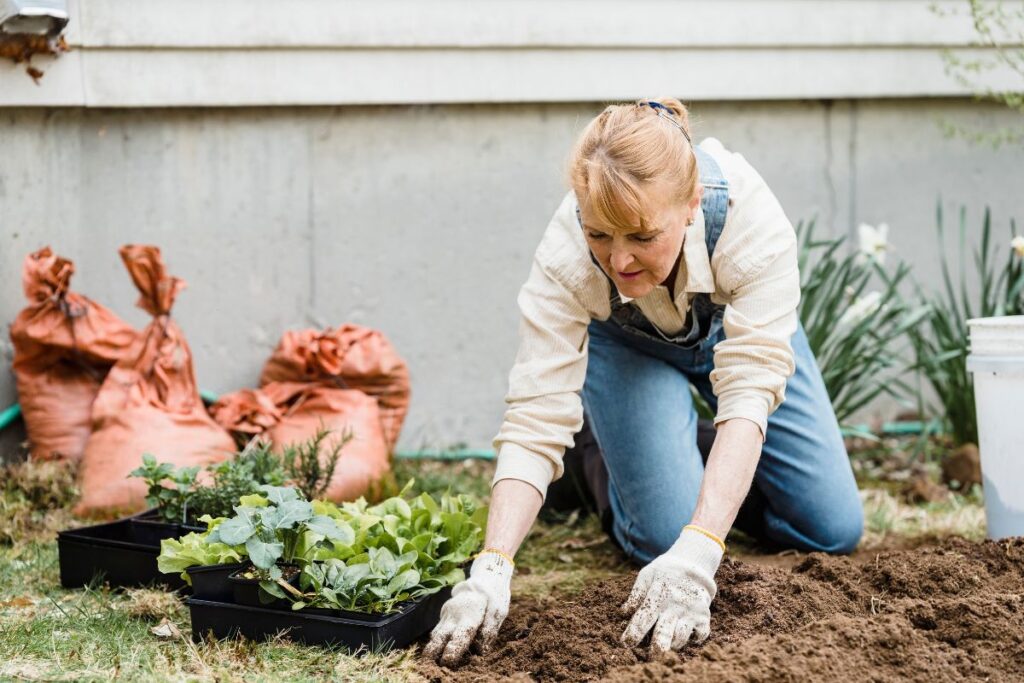
This movement harnesses the collective effort of communities, fostering a sense of belonging and mutual support.
Participating in community gardens invigorates the spirit of collaboration while promoting wellness among all age groups, especially older adults.
Immersing oneself in nature and connecting with the local ecosystem elevates self-esteem and enhances social engagement.
This trend underlines gardening’s role in community health, offering a sanctuary for interaction and reflection.
As landscapes transform into vibrant community spaces, gardening becomes a conduit for social connection and environmental stewardship.
Health benefits of gardening
Gardening extends beyond mere interaction with nature; it is a therapeutic activity that bolsters both mental and physical health.
The repetitive motions of digging, planting, and harvesting are not only physically invigorating but also mentally soothing.
Nature’s cadence alleviates stress, enhances mood, and fosters a sense of accomplishment.
As a supplement to traditional therapies, gardening provides a holistic health-enhancing strategy, offering a reprieve from the digital world.
Scientific research increasingly supports these health claims, underscoring gardening’s efficacy as a natural remedy for modern life’s pressures.
In this context, gardens become outdoor sanctuaries for recovery and rejuvenation, solidifying their place in holistic health care.
Edible and organic gardening
The practice of edible and organic gardening addresses growing concerns over food security and nutritional quality.
Enthusiasts focus on cultivating heirloom varieties and organic produce, driven by the dual objectives of health and sustainability.
As grocery costs rise, growing one’s food offers an economically viable alternative, enabling better control over dietary intake and quality.
This self-reliance not only benefits individual health but also promotes environmental sustainability by reducing reliance on industrial agricultural practices.
Heirloom seeds, cherished for their flavor and resilience, find favor among gardeners passionate about preserving biodiversity.
As more people embrace this form of gardening, communities become empowered to sustain themselves through vibrant, nutrient-rich produce.
Sustainable and water- Efficient gardening
In response to climate change, sustainable and water-efficient gardening techniques have gained traction.
These methods optimize the use of resources, incorporating practices like container and vertical gardening.
Vertical gardening, in particular, makes efficient use of limited spaces while integrating hydroponic systems that significantly reduce water consumption.
Water conservation efforts are further augmented by the planting of native species, which are better adapted to local climates and require less maintenance.
Additionally, developments such as automated watering systems and latest list of innovative tools present unmatched conveniences and efficiencies.
Such advancements ensure that gardens not only flourish but contribute positively to the environment.
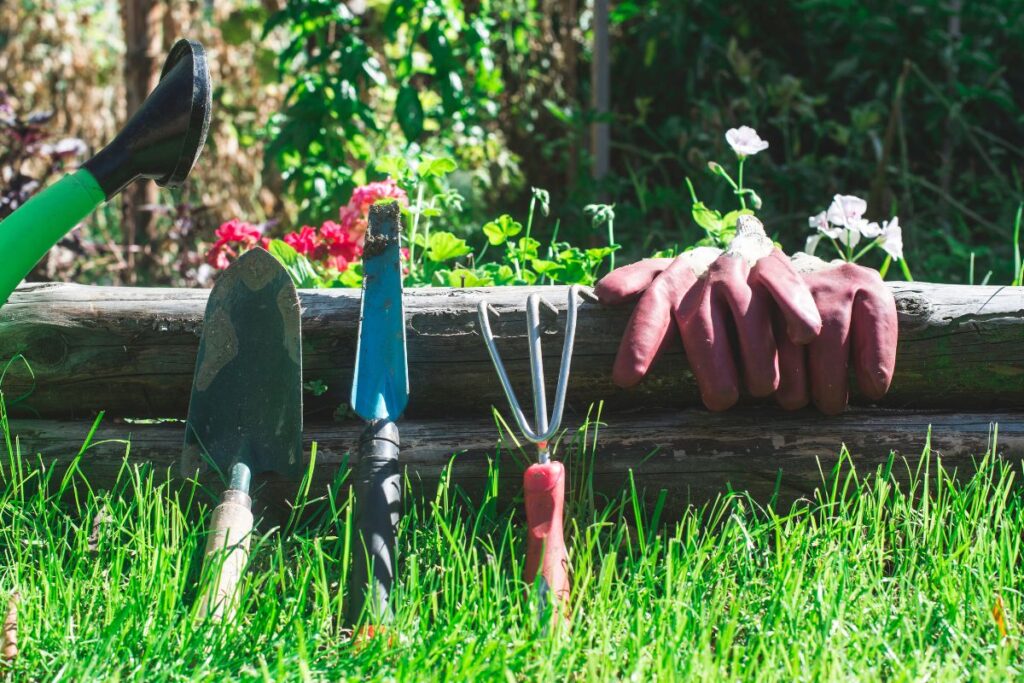
Gardening tools and techniques
Modern gardening is supported by cutting-edge tools and techniques aimed at simplifying processes and maximizing output.
Raised beds, for instance, elevate planting success by improving drainage and soil conditions.
Innovations like companion planting and crop rotation further contribute to effective garden management, enhancing productivity and soil fertility.
Tools such as automated watering grids are pivotal in delivering precise irrigation, ensuring optimal plant health.
As technology fuses with tradition, these advancements serve to enrich and streamline the gardening experience, allowing both novice and seasoned gardeners to enjoy productive and eco-friendly practices.
Moreover, the integration of digital tools has transformed the way gardeners plan and maintain their green spaces.
Smartphone apps now offer real-time weather tracking, planting schedules, pest identification, and personalized tips based on location and crop type.
Soil sensors and smart gardening systems collect data and offer insights into nutrient levels, moisture content, and pH balance, enabling data-driven decisions that were once only available to agricultural professionals.
Vertical gardening systems and hydroponics have opened new possibilities, particularly in urban environments where space is limited.
These systems allow gardeners to grow a wide range of produce indoors or on balconies with minimal environmental impact.
As sustainability becomes a greater focus, composting systems and organic pest control methods are increasingly popular, reducing chemical dependency while nurturing biodiversity.
Historical and cultural aspects of gardening
Gardening is deeply rooted in history, with its origins reflecting the cultural and functional needs of ancient civilizations.
Initially a necessity for sustenance, gardens have evolved into spaces of beauty and contemplation, embodying cultural expressions and heritage.
Historical landscapes influence modern gardening philosophies, integrating a blend of aesthetic design and functional application.
From the intricate courtyards of ancient Persia to the structured harmony of Japanese Zen gardens, each era has left a distinct mark on how we interact with cultivated spaces.
These early gardens were not only sources of food and medicine but also spiritual sanctuaries and social hubs, illustrating the multifaceted role gardens played in society.
Today’s gardens mirror these ancient practices while addressing contemporary environmental concerns.
With the rise of sustainable gardening, permaculture, and biodiversity-friendly planting, modern horticulture continues to draw on past wisdom while innovating for the future.
Urban gardens and community plots bring people together in densely populated areas, reviving the communal spirit that once defined ancient agricultural efforts.
As a dynamic, living testament to human ingenuity, gardening continues to inspire and adapt, offering a rich tapestry of historical and modern significance.
It remains a practice where tradition meets innovation—shaping not only landscapes, but also the way we live, connect, and coexist with nature.