
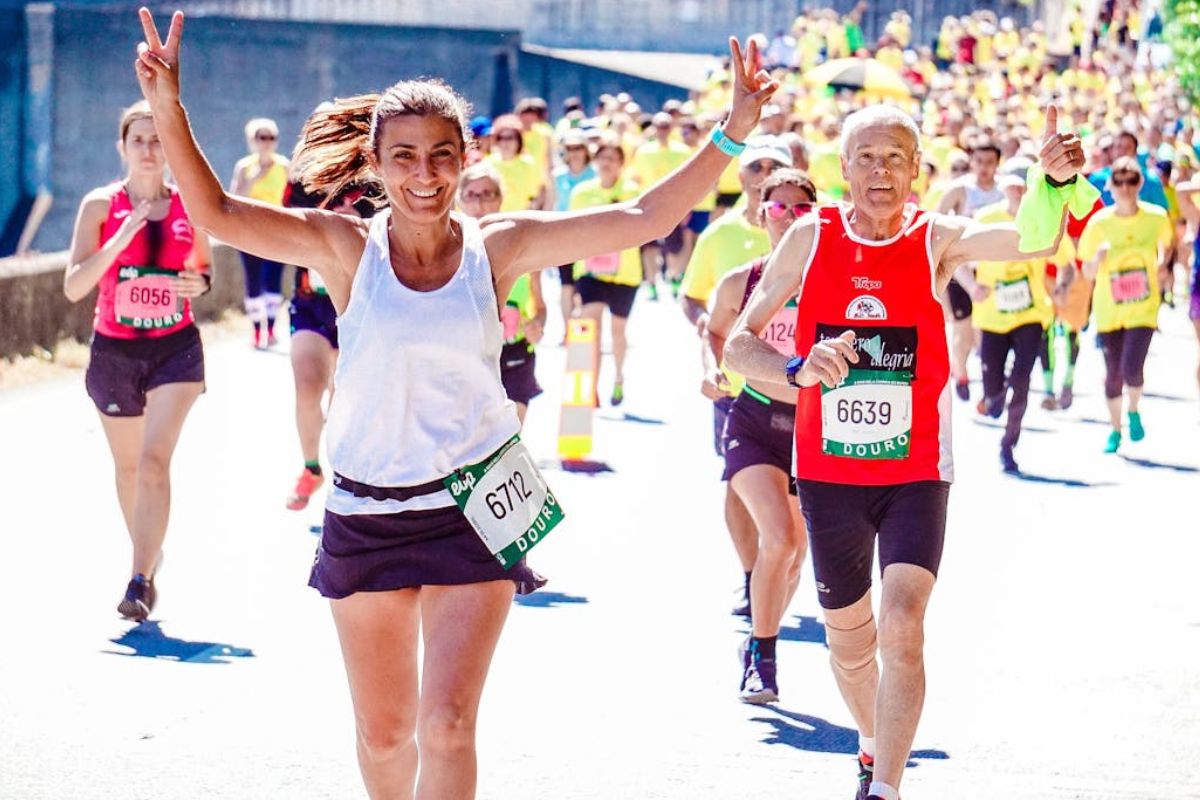
Creating a Positive Atmosphere At Running Events
Running races are today appreciated for friendship, personal achievement, and community engagement.
A good running event depends on both participant performance and event atmosphere. A complex network of organisers, volunteers, and supporters supports every runner and promotes positivism, enthusiasm, and inclusivity.
Understanding how to create such an atmosphere ensures that all runners feel welcome and motivated regardless of ability level.
A quality running event caters to a varied variety of participants. Events that emphasise mass participation emphasise inclusivity and accessibility.
Everyone should join, from experienced runners to beginners. Offering numerous racing categories, suiting all fitness levels, and making the event location accessible helps create a sense of inclusivity. Creating a welcoming environment can turn a running event into a human spirit festival.
Organisation and logistics
Creating a great event atmosphere begins before race day. Event success depends on careful preparation and logistics.
A well-organised event provides attendees with confidence that their experience will be fun and stress-free.
The course needs enough hydration stations, good signage, and safe traffic control. Event organisers should also prioritise timely communication on event specifics, weather, and parking.
Participant treatment during registration and check-in also affects the event atmosphere. Smooth registration and pleasant on-site help set the tone for the event.
Volunteers are vital because of their enthusiasm and readiness to help boost the event’s mood.
Engaging the local community
Engaging the local community is another key to a lively event. Local businesses, citizens, and civic organisations can make the event special.
Food stalls, entertainment booths, and cultural exhibits enhance the experience for participants and attract attendees, creating a vibrant and encouraging atmosphere.
The event can also promote health, fitness, and social reasons through partnerships with local schools and nonprofits.
Local ownership of the event provides an infectious enthusiasm that resonates with participants.
Lines of spectators cheering on runners and holding motivating signs may make a marathon memorable. Their encouragement makes people feel valued, creating a good atmosphere.
Making emotional connections
Running events are personal for many. Crossing the finish line is a fitness milestone for some and a personal achievement for others.
Recognising and honouring these tales helps organisers build emotional bonds. Sharing participant journeys on social media, pre-event announcements, or post-race interviews fosters a feeling of community and encourages future participation.
Personalised race bibs or finisher medals with meaningful designs can also create an impression.
Organisers can also provide spaces for runners to write messages, dedicate their runs to loved ones, and encourage others.
These gestures demonstrate that the event is about the human experience, not simply the race.
Inclusivity and accessibility first
Running events thrive on inclusivity. Event organisers must welcome everyone, including disabled persons.
Provide wheelchair-accessible pathways, visual and aural aids for sensory-impaired participants, and adapted athlete categories. Events can promote community and equity by removing obstacles to participation.
Language accessibility is key for international events. Event materials in multiple languages enable diverse participation.
Inclusivity includes accommodating diverse diets at hydration and refreshment stations to welcome everyone.

Using technology power
Technology is crucial for events. From live monitoring apps that let friends and family follow runners to immediate leaderboards, technology makes events more dynamic.
Social media updates, photos, and videos can raise event enthusiasm. Digital interactions can link racers to a bigger community.
Organisers can analyse participant satisfaction and improve with online post-event feedback surveys.
A dedication to continuous development shows that event planners value participant experience, bolstering their reputation for quality.
The effects of volunteering
The unsung heroes of running events are volunteers. Their passion and effort create a supportive environment.
Their presence is crucial to event success, whether they serve water, handle baggage, or cheer on athletes. With training and acknowledgement, volunteers may feel valued and driven.
Participants can bring cheer squads to encourage runners and keep the atmosphere lively. Recognising official and informal volunteers boosts community spirit, which is crucial to events.
Sustainability, environmental responsibility
Nowadays, event sustainability depends on the environment. Participants and spectators prize waste minimisation, eco-friendly items, and recycling.
Set up reusable bottled water stations, biodegradable race bibs, and event cleanup. Such activities enhance participant experience and demonstrate environmental concern.
Conclusion
Every successful running event strives to be inspiring, inclusive, and memorable. Detailed preparation, community interaction, personal touches, and sustainability create a pleasant event atmosphere.
By prioritising participant, organiser, and spectator experience, running events can shift from competitive to transformative celebrations of human potential and community spirit.
This positive atmosphere makes a running event memorable for everyone.