

Your Business Is Leaking Money: A Guide to Finding and Fixing Hidden Water Waste
You watch your payroll. You negotiate with suppliers. You scrutinise your energy bills.
But there is one overhead you probably see as a fixed cost, a number you pay every quarter without question. Your water bill.
For most businesses, water is an accepted and ignored expense. But what if it was not a fixed cost at all?
What if it were a controllable variable where hidden inefficiencies are silently draining money from your business? This is the reality in thousands of commercial premises. Wasted water is wasted profit.
This guide is a diagnostic tool for the business owner who wants to plug those leaks. It is a strategic plan to reclaim that waste.
This is not about saving the planet, though that is a welcome side effect. It is about saving your cash.
Common Sources of Business Water Waste
Most businesses do not lose water in one catastrophic event. They lose it through a dozen small, persistent wounds.
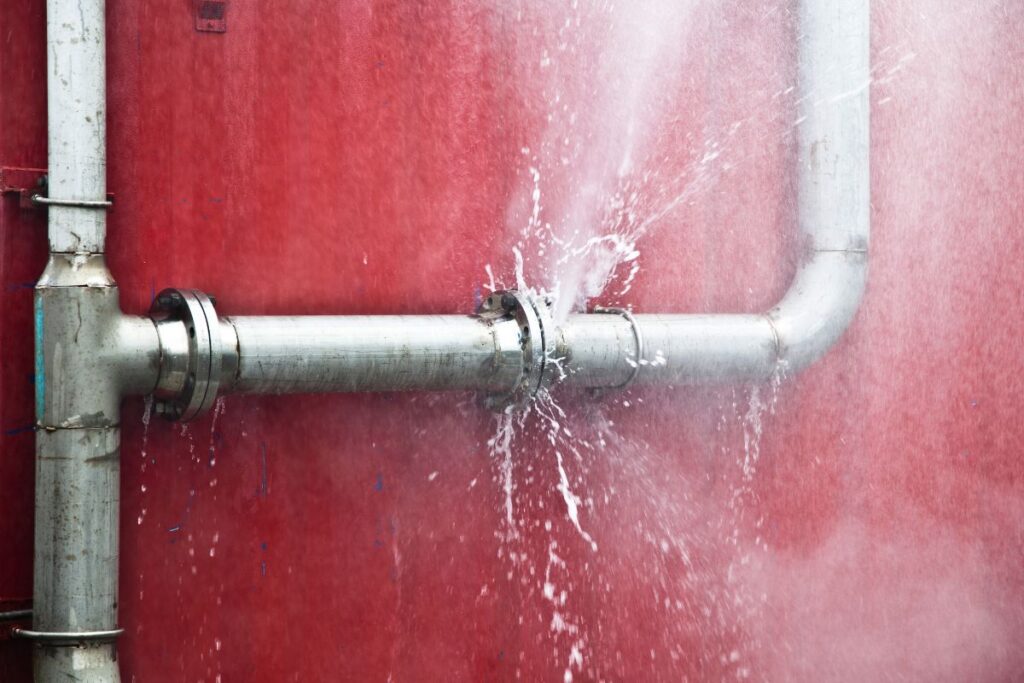
A slow, steady drip of inefficiency that adds up to a significant sum over a year. The waste is usually hiding in plain sight.
Leaks and Drips
A single dripping tap wastes thousands of litres of water per year. Now, multiply that cost by every tap, toilet, and urinal in your facility.
A toilet cistern that never stops running or a urinal with a constant trickle can go unnoticed for months, especially in low-traffic areas. These are not just maintenance issues; they are financial liabilities.
Inefficient Equipment
Older equipment is notoriously inefficient. Toilets that use nine litres per flush instead of a modern six. Industrial dishwashers that consume far more water than they should.
Outdated cooling towers that use water in an open loop instead of recycling it. Each of these is a missed opportunity for significant, permanent cost reduction.
Operational Processes
Sometimes the waste is built into your daily routines. Cleaning practices using constantly running hoses instead of trigger nozzles.
Kitchen processes that thaw food under a running tap. These habits directly translate into higher charges on your bill.
Unmonitored Outdoor Use
For any business with grounds to maintain, the biggest leaks are often outside. A faulty irrigation system.
A leaking underground pipe. Even a single hose left running by mistake. Each can waste an astonishing amount of water in a short time.
Practical Insight: The first step is a simple out-of-hours meter reading. Check your water meter after the last person leaves and again first thing in the morning. If the reading has changed, you leak. The challenge now is to find it.
Beyond the Bill: The True Cost of Water Inefficiency
Fixing water waste is about more than just reducing your volumetric charges. The true cost of inefficiency is far greater.
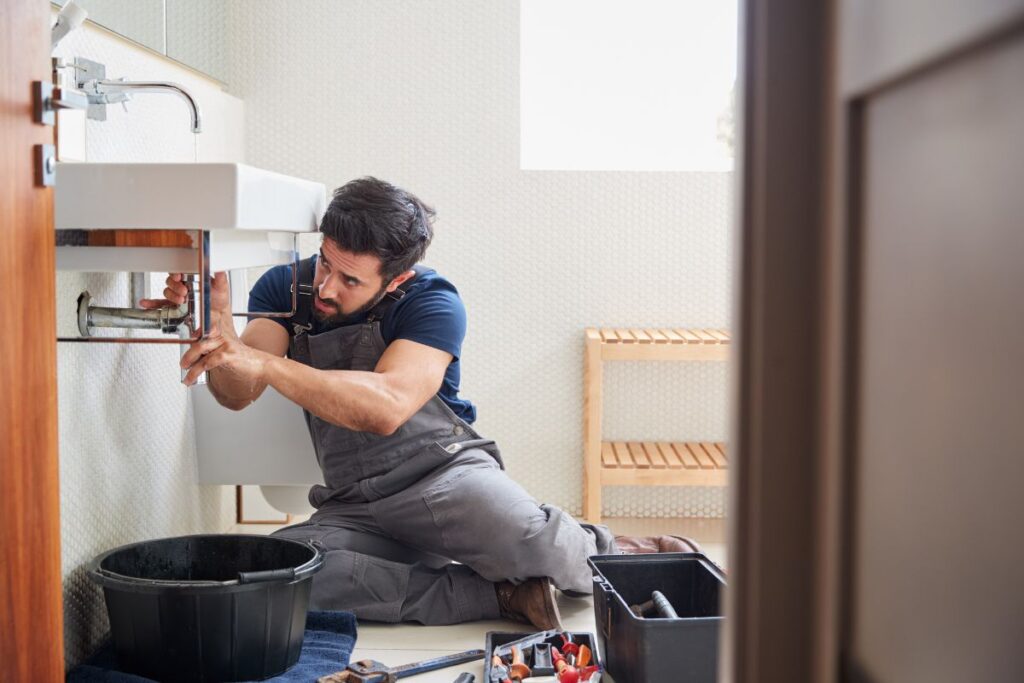
It impacts multiple areas of your business, and understanding these secondary costs is crucial to grasping the full financial benefit.
The most significant hidden expense is energy. When you have a hot water leak, you are not just paying for the water.
You are paying for the gas or electricity used to heat that water, 24 hours a day. It is literally pouring heated money down the drain. Then there are the potential maintenance costs.
A small, undetected leak can cause significant structural damage over time, leading to expensive repairs for damp or rot.
Finally, there is the growing cost to your reputation. In today’s market, demonstrating sustainable practices is a real competitive advantage.
Inefficient resource use is a liability, while a clear commitment to water reduction helps attract environmentally aware customers and improve your ESG credentials.
Why Finding the Source of Waste Is Harder Than You Think
So, you have done an overnight meter reading and confirmed you have a leak. The problem is, you cannot find it.
You have checked every tap and toilet, but the source of the water loss remains a mystery. This is a common and frustrating scenario.
While spotting a dripping tap is easy, the most significant leaks are almost always hidden from view. The leak could be in an underground supply pipe between the meter and your building.
It could be an internal fault within a large piece of production machinery or a slow leak within a wall cavity.
Trying to find these hidden leaks without specialist equipment is guesswork. It is a process that can waste dozens of hours of staff time with no guarantee of success while your profits continue to drip away.
This is where a maintenance issue becomes a strategic problem that requires an expert solution.
What a Professional Water Efficiency Audit Uncovers
A professional Water efficiency audit is not a simple checklist. It is a forensic examination of your business, built to find every point of water use and waste.
It is a strategic review that moves beyond guesswork to provide a clear, actionable plan for cutting your consumption and costs.
The audit itself is a comprehensive and tailored process, involving a full site survey, analysis of past water bills, and leak detection gear to pinpoint hidden problems.
The result is a detailed report that not only finds the sources of waste but also gives you a costed, prioritised list of recommendations.
These can range from simple fixes like installing tap aerators to major upgrades like replacing inefficient machinery.
This is why forward-thinking businesses are turning to specialists like Castle Water to conduct a professional Water efficiency audit.
Their expertise provides the data-driven insights needed to turn a hidden liability into a measurable financial gain.
The service provides a joined-up approach to your immediate goals, plus potential compliance support and help with your ESG reporting.
Final Thoughts
Your water bill is not a fixed cost. It is a direct reflection of your business’s operational efficiency.
For too long, businesses have seen water as an uncontrollable overhead. In an era of increasing water stress and rising costs, that view is no longer profitable.
Getting control of your water is not an expense. It is one of the smartest investments you can make.
A professional audit provides a clear roadmap to lower your bills, cut your energy use, and strengthen your brand as a responsible, sustainable enterprise. It is a proactive decision. One that turns a hidden cost into a real, competitive edge.


