
Smart Homes, Smarter Care: How Ambient Monitoring is Transforming Senior Independence
Margaret Thompson, 78, lives alone in her cozy three-bedroom house in Portland.
Her daughter Sarah worries constantly about her mother’s safety, especially after Margaret’s minor fall last spring.
But Margaret refuses to wear one of those “old people necklaces” – she’s fiercely independent and finds traditional medical alert devices embarrassing and cumbersome.
What Margaret doesn’t realize is that her home has quietly become her personal safety guardian.
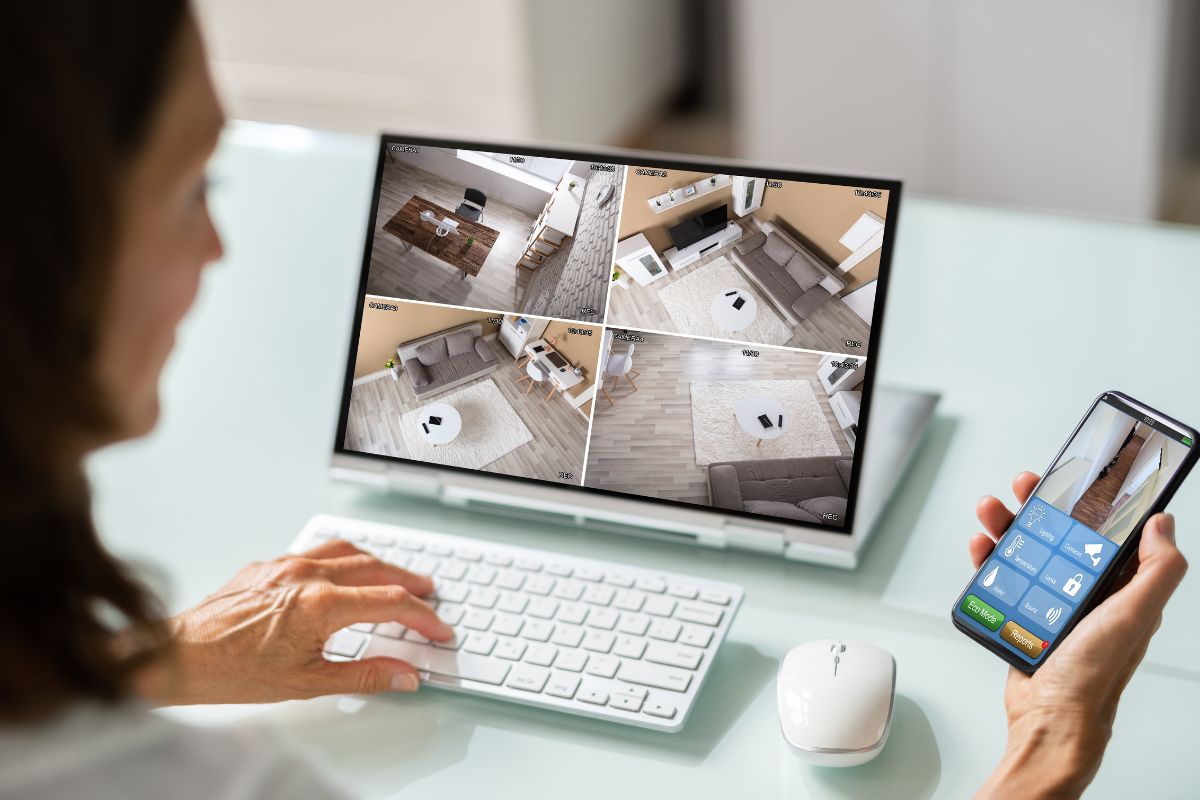
Sensors tucked discretely throughout her house monitor her daily routines, detect unusual patterns, and can alert emergency contacts if something seems wrong.
This isn’t science fiction – it’s the new reality of how technology is helping seniors maintain their independence while keeping them safe.
Unlike traditional medical care alert systems that require active use, these ambient monitoring solutions work invisibly in the background, never asking seniors to change their habits or wear conspicuous devices.
The shift from reactive to proactive senior care represents one of the most significant advances in eldercare technology.
Instead of waiting for emergencies to happen, smart home systems now predict and prevent them.
The Quiet Revolution in Senior Safety
Traditional medical alert systems have served their purpose for decades. Press a button, get help. Simple enough. But they come with obvious limitations.

Seniors often forget to wear them, feel embarrassed by their appearance, or can’t reach them during actual emergencies.
Smart home technology flips this approach entirely. Instead of requiring seniors to remember to use safety devices, the technology adapts to them.
Motion sensors track movement patterns, door sensors monitor when someone leaves or enters, and even toilet sensors can detect if someone has been in the bathroom too long.
This passive approach removes the stigma many seniors associate with traditional alert systems.
There’s no visible reminder of vulnerability, no daily routine disruption, and no fumbling for devices during emergencies.
How Ambient Monitoring Actually Works
The technology behind ambient monitoring combines several types of sensors that work together to create a comprehensive picture of daily life patterns.
Motion detectors placed strategically throughout the home learn normal movement patterns.
Door and window sensors track when someone enters or leaves. Smart floor sensors can detect falls or unusual movements.
But here’s where it gets interesting – the system doesn’t just collect data. It learns. Machine learning algorithms analyze patterns over weeks and months, establishing what’s normal for each individual.
Did Mrs. Johnson usually make coffee at 7 AM and take her evening medication at 8 PM? The system knows this and notices when routines change.
Temperature sensors can detect if someone has left the stove on. Bed sensors know when someone gets up for their usual nighttime bathroom visit and when they’ve been tossing and turning unusually. Water sensors can detect flooding from an overflowing bathtub.
The key difference from traditional home security systems is the focus on health and wellness rather than intrusion detection.
These sensors aren’t looking for burglars – they’re watching for health emergencies, changes in cognitive function, or signs that someone might need assistance.
Smart Toilets and Kitchen Sensors: The Unexpected Health Monitors
Some of the most valuable health data comes from the most private spaces in our homes. Smart toilets, while initially met with skepticism, provide crucial health monitoring capabilities.
They can detect urinary tract infections, monitor hydration levels, and even track blood sugar levels through urine analysis.
Kitchen sensors offer another wealth of health information. Smart refrigerators notice when food isn’t being consumed, suggesting appetite changes that might indicate depression or illness.
Stove sensors can detect when meals aren’t being prepared regularly or when cooking appliances are left on too long.
One particularly clever innovation involves smart pill dispensers integrated with home monitoring systems.
These devices not only remind seniors to take medications but also alert family members or healthcare providers when doses are missed.
The data helps doctors adjust medication schedules and dosages based on actual compliance patterns rather than patient self-reporting.
The Family Connection: Peace of Mind Without Privacy Invasion
Adult children often struggle with the balance between respecting their parents’ privacy and ensuring their safety.
Traditional solutions like daily check-in calls or frequent visits can feel intrusive and create tension in family relationships.
Ambient monitoring systems address this delicate balance by providing family members with relevant information without compromising privacy.
Instead of detailed reports about every movement, family members receive summaries about overall activity levels and alerts only when something unusual occurs.
Sarah receives a weekly summary showing that her mother Margaret maintained her normal activity levels, took her medications on schedule, and slept well.
If Margaret falls or doesn’t get out of bed by her usual time, Sarah gets an immediate alert. But she doesn’t know that Margaret watched three romantic comedies on Tuesday afternoon.
This approach strengthens family relationships rather than straining them. Seniors maintain their dignity and privacy while families gain peace of mind.
Integration with Healthcare Systems
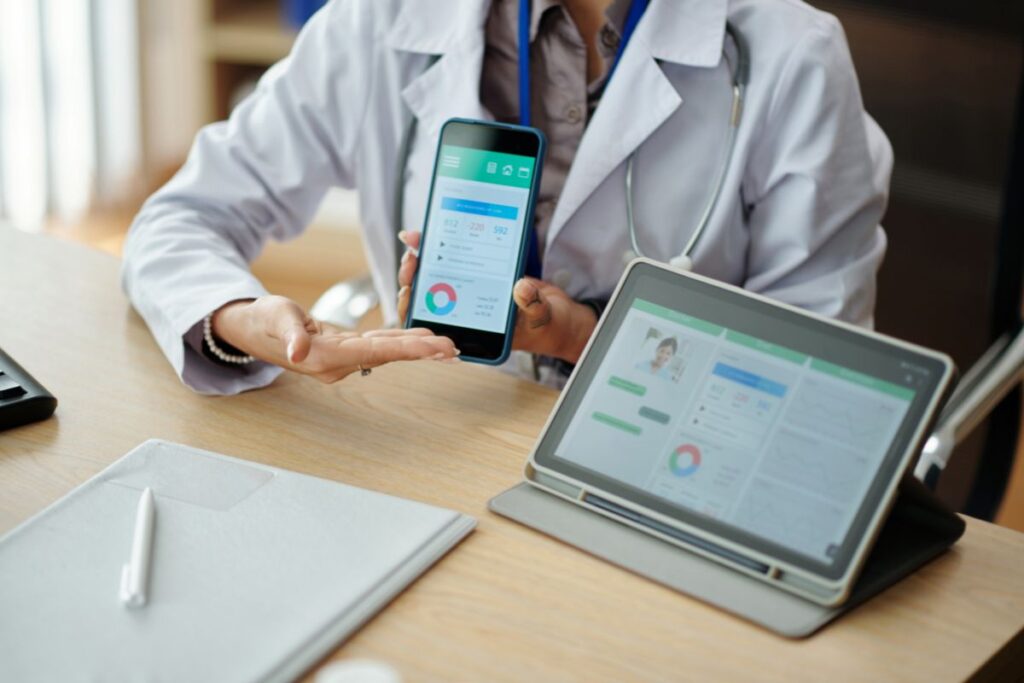
Modern ambient monitoring systems integrate with healthcare providers, creating a more comprehensive picture of senior health.
Instead of relying solely on periodic doctor visits and patient self-reporting, healthcare providers now have access to objective data about daily functioning.
Dr. Lisa Rodriguez, a geriatrician in Seattle, explains the value: “I can see if a patient is actually taking their medications consistently, how well they’re sleeping, and whether their activity levels are declining. This helps me make much better treatment decisions.”
The data proves particularly valuable for managing chronic conditions. Continuous monitoring provides early warning signs that might be missed during brief office visits.
Sleep pattern changes might indicate depression. Reduced activity levels could suggest cardiac issues.
Addressing Privacy and Security Concerns
The idea of home monitoring naturally raises privacy concerns, especially among seniors who value their independence.
However, modern ambient monitoring systems address these concerns through several key design principles.
Data encryption ensures that personal information remains secure. Local processing means that much of the data analysis happens within the home rather than being sent to remote servers.
Many systems also include clear visual indicators when monitoring is active.
The most important privacy protection is selective sharing. Systems can be configured to share general wellness indicators with family members while keeping detailed behavioral data private. Emergency alerts go to designated contacts, but daily routines remain confidential.
The Cost Factor: Making Technology Accessible
One of the biggest barriers to adopting new technology has traditionally been cost.
However, ambient monitoring systems are becoming increasingly affordable, especially when compared to the cost of premature assisted living placement or emergency medical interventions.
Many insurance providers now cover ambient monitoring systems as part of preventive healthcare services.
Medicare Advantage plans increasingly include technology benefits, recognizing that early intervention through monitoring can prevent more expensive emergency treatments.
The subscription model used by many providers makes the technology accessible without large upfront investments.
Monthly fees typically range from $30 to $100, depending on the level of monitoring and services included.
When compared to the cost of hiring home care aides or moving to assisted living facilities, the technology represents significant savings.
Looking Forward: The Future of Ambient Care
The next generation of ambient monitoring promises even more sophisticated capabilities.

Artificial intelligence will become better at distinguishing between normal variations in behavior and genuine health concerns.
Voice recognition technology will allow seniors to interact naturally with their homes, asking questions about their health or requesting assistance.
Integration with wearable devices will provide even more comprehensive health monitoring.
Smart clothing with embedded sensors could monitor heart rate, breathing patterns, and even detect early signs of illness.
These advances will make monitoring even less intrusive while providing more valuable health data.
The ultimate goal remains unchanged: helping seniors live independently in their own homes for as long as safely possible.
Technology serves as an invisible safety net, providing security without sacrificing autonomy.
Making the Transition
For seniors considering ambient monitoring, the transition doesn’t have to be overwhelming.
Start with basic systems that monitor just a few key areas like the bedroom and bathroom. Add sensors gradually as comfort with the technology increases.
Family involvement is crucial but should be guided by the senior’s preferences. Some prefer to maintain control over all settings and alerts, while others welcome family participation in system setup and monitoring.
The most successful implementations happen when seniors feel empowered by the technology rather than monitored by it. The goal is enhancing independence, not creating digital dependence.
Ambient monitoring represents a fundamental shift in how we approach senior care. Instead of waiting for crises to occur, we can now predict and prevent them.
Instead of choosing between independence and safety, seniors can have both. The technology doesn’t replace human connection – it enhances it by providing the information needed to offer appropriate support at the right time.
For families struggling with the balance between respecting independence and ensuring safety, ambient monitoring offers a path forward that honors both values.
The future of senior care isn’t about more restrictions – it’s about smarter technology that enables more freedom.


