
Reducing Compliance Risks in Fintech Smart Tools Every Company Should Know
Fintech has made the traditionally conservative finance industry more fun.
Modern-day cloud storage applications have streamlined payment processing for businesses and individuals. However, the rise of technology in finance has also brought its drawbacks with it.
Payment processing may have become a lot easier, but the chances of data breaches and financial fraud have increased significantly.
That is why strict regulatory requirements are in place for the fintech companies to tackle security and fraud challenges.
This article sheds light on
- Fintech compliance
- Risks of non-compliance, and
- Different types of tools, such as virtual data rooms, can help fintech companies stay ahead of compliance issues.
What is fintech compliance?
Fintech or financial technology includes different types of digital solutions, like blockchain tools or mobile payment applications.
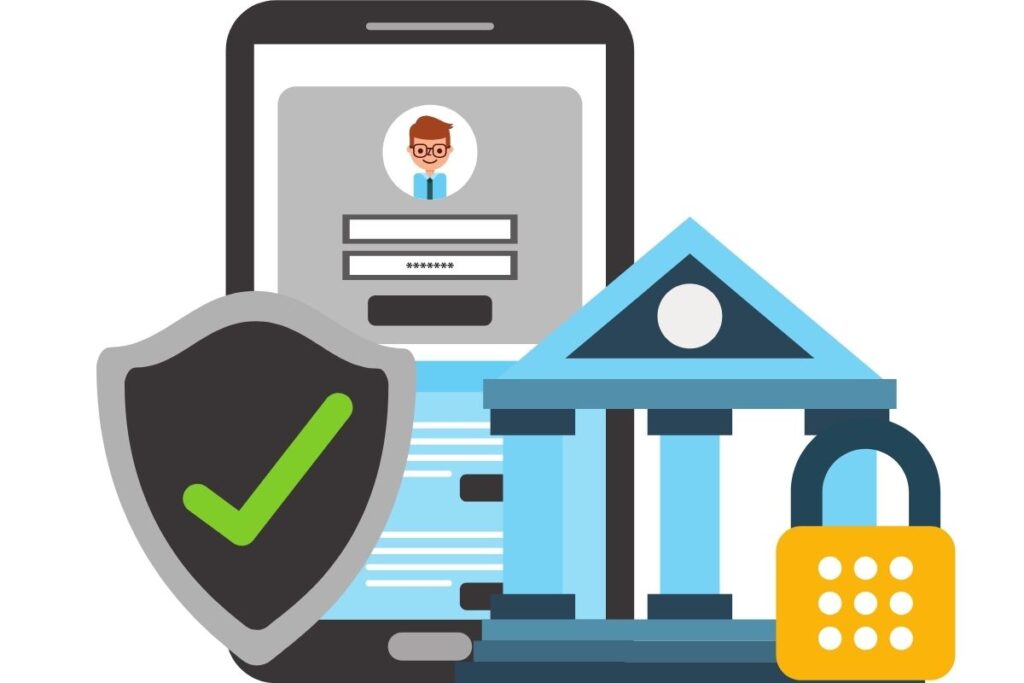
Fintech compliance means strictly following the benchmarks or standards set by the concerned authorities. These may include:
- Payment and financial regulations such as DORA and PCI DSS
- Data privacy and protection standards are set by GDPR and ISO.
Thankfully, fintech vendors can employ high-end solutions to tackle these challenges.
For example, using digital dataroom software can help with data privacy and protection compliance. Check virtual data rooms to explore some of the best vendors in the industry.
What happens when businesses do not comply?
Fintech compliance is not optional anymore. Vendors who do not comply with regulations have to face severe consequences.
It is alarming that almost all fintech vendors struggle with compliance, and 86% have paid hefty fines in the last few years. Here is what service providers can face in case of non-compliance.
1. Massive fines
As mentioned earlier, non-compliance can lead to hefty penalties. Financial penalties are a major way to reinforce the importance of strictly following the regulations.
A data breach in 2019 cost The First American Financial Corporation $10 million for exposing 885 million personal and financial records.
Here is what else fintech vendors should expect to pay in case of non-compliance.
- PCI DSS: $5k to $100k per month until the vendor fixes the issue
- PSD2 and GDPR: Up to 4% of the total yearly returns
- DORA: 2% of yearly global turnover
2. Increased business costs
Fintech companies can also face other financial consequences, like increased business costs.
Payment processors often charge a higher processing fee for non-compliant vendors. That means the cost of every single transaction and overall profitability are going to increase.
3. Higher risk of breaches
Non-compliance can simply increase the chances of data breaches.
If a vendor does not have secure applications according to the requirement standards, they are highly vulnerable to data leaks and breaches. This will not only affect customers but also lead to more strict regulatory scrutiny.
4. Reputational damage
Trust is the biggest factor in the financial sector, and losing it means losing your customers and stakeholders.
It is not hard to understand that non-compliant vendors are highly vulnerable, and it will be difficult to gain people’s trust.

Smart fintech tools that every company should know
Fintech companies are adopting smart tools to stay vigilant and reduce compliance issues. Here are some important categories of tools every fintech vendor should know.
1. RegTech platforms
RegTech (regulatory platforms) are super helpful for fintech companies to stay compliant with changing industry requirements. These tools provide
- Real-time regulatory updates
- Risk scoring
- Transaction monitoring
RegTech platforms identify suspicious activities and reduce manual efforts, which helps teams focus on other important issues.
2. Data Privacy & GDPR Compliance Tools
Data privacy and GDPR compliance tools help fintech vendors manage data privacy regulations. Using virtual dataroom services can be helpful for businesses in multiple ways, such as:
- Secure data storage and sharing as virtual data rooms offer features like access controls and end-to-end data encryption. These features allow you to safely store and share sensitive data. Data room vendors like Ideals are PCI, GDPR, and SOC2-compliant, which are mandatory requirements for fintech companies.
- Digital data room software records all user activities, such as login details and document views. This information can be very helpful in internal or external audits and ensure accountability in data handling.
- Fintech companies use VDR technology to safely store and organize compliance documentation such as policy documents and KYC records.
3. Risk detection tools
Compliance and risk management have been made easier with the help of AI-powered tools. These platforms use machine learning algorithms to:
- Analyze large volumes of behavioral and transactional data in real-time.
- Spot strange patterns that may signal fraud, threats, or rule-breaking.
- Send early warnings so companies can act before problems grow.
The good thing about these tools is that they keep learning from updated data and get smarter with time. This helps reduce false alarms and makes compliance efforts more efficient.
4. Cloud Security & Encryption Tools
As fintech firms move to the cloud, keeping customer data safe is more important than ever. Secure online tools like virtual data rooms can help companies in
- Replacing sensitive data with secure tokens
- Encrypting data while it is being sent and stored
- Helping companies meet security standards like PCI DSS and ISO 27001
These tools protect customer data in the cloud and help fintech companies stay secure and compliant with global rules.
Compliance is not an optional thing for a fintech business; it is mandatory. It not only helps companies avoid financial risks and penalties but can also give them a competitive edge over their competitors.