
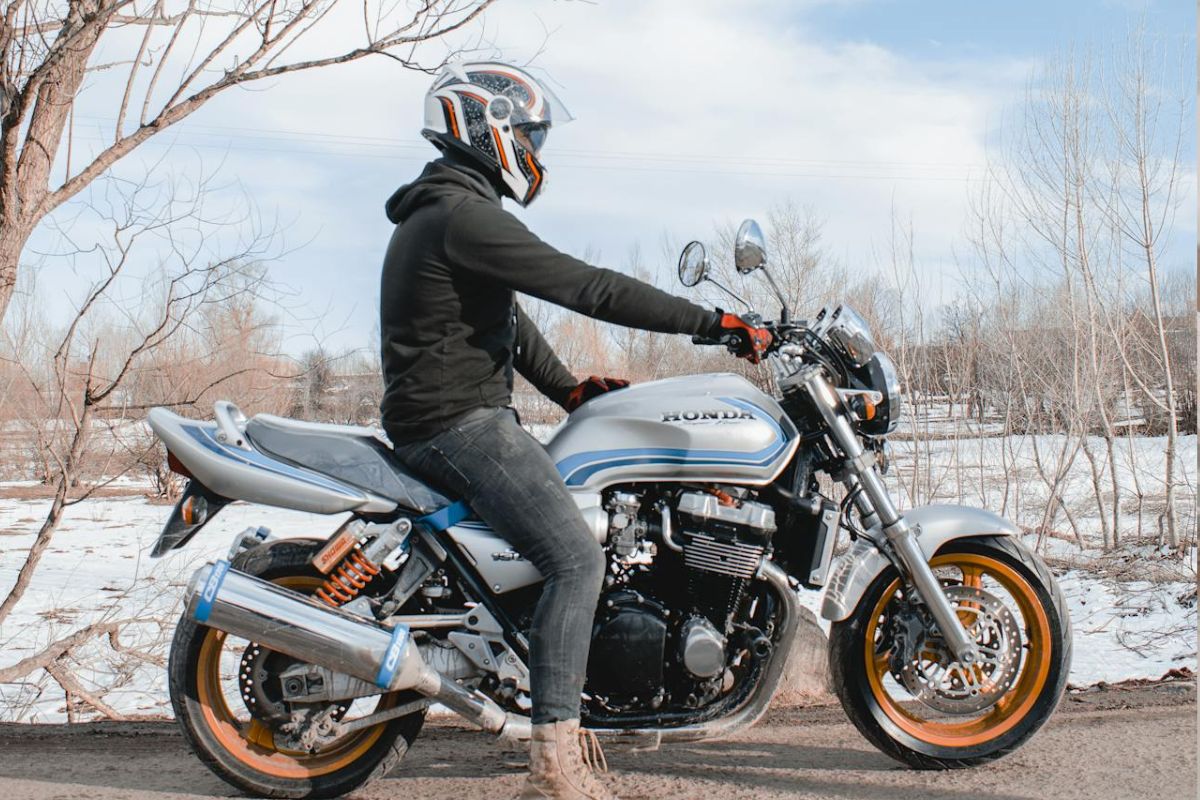
How Can Motorcyclists Stay Safe on Winter Roads
Safety should always be paramount for motorcyclists throughout the year, but with winter being a dangerous and stressful season for all road users, riders should take a particular interest in increasing their safety measures to avoid potential accidents.
With the low visibility, slippery surfaces, rain, and shorter days, motorcyclists need to know how they can ride safely during the colder months of the year in order to protect both themselves and those they share the road with.
This post will offer riders practical advice on how to safely deal with these adverse conditions and ensure they still have an enjoyable experience on their bike, regardless of the weather. Read on to find out more.
Prepare Your Bike for Winter Conditions
To begin your journey to a safe ride you need to prepare your bike for the colder months- otherwise known as winterising.

Cold weather can affect your bike in a number of ways, including reducing tyre grip, thickening engine oil, and putting excess strain on the battery.
This is why you should check the tyre tread depth and pressure (and do this throughout winter), check the condition of the brakes and chain, clean the lights, and keep fluids topped up.
These checks should be completed before every ride, and extra attention should be given to each aspect if your bike has been sitting idle for an extended period of time.
Leaving your bike unattended for weeks, or even months, can lead to complications arising from the breakdown or weathering of components in the colder weather.
Action should be taken at the very first sign of any issue in order to avoid them becoming both more serious, and more expensive, to fix.
If you’re regularly riding in wet or slippery conditions, then switching out your usual tyres to ones made especially for winter can provide greater grip and help you feel more confident in navigating the roads.
Wear the Right Gear for Cold & Wet Weather
You also must make sure that you have suitable gear for the winter months. This means having protective, weather-proof clothing that will offer protection against the cold and wet conditions, which can slow reaction times and reduce control.
Additionally, you should have reflective gear that will ensure you remain visible in low light/foggy conditions.
The general advice for choosing riding gear to ‘dress for the slide, not for the ride’ should also be taken into consideration when choosing weather appropriate clothing.
Rather than focusing solely on choosing warming layers, make sure that any clothing can handle the force of hitting the ground at speed if you should be involved in an accident.
It’s crucial to prioritise your safety ahead of comfort when riding, as the protection added by a ‘clunky’ helmet or pair of leathers can be the difference between a scrape and a far more serious injury.
Adjust Riding Technique for Slippery Roads
Experienced riders know that it is important to adjust their riding technique in winter, when slippery roads pose an increased risk to them and other road users.
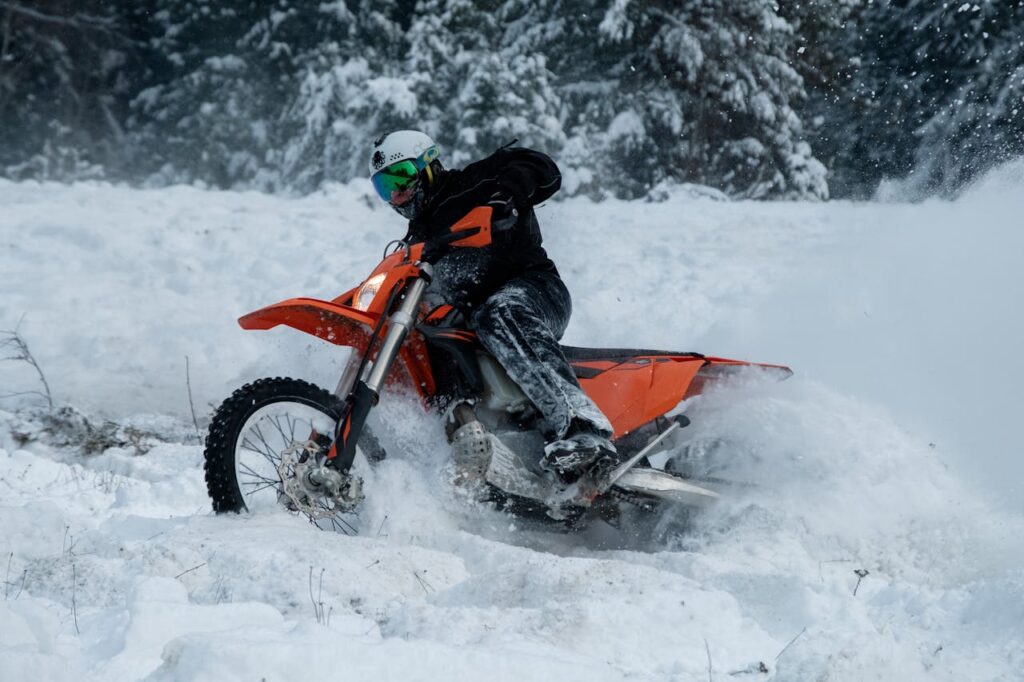
This should involve smoother throttle and brakes, greater following distances, and slower turns to reduce the risk of skidding on ice and slush.
Even with caution, winter remains a dangerous season for cyclists as there is a greater risk of an accident.
If you are involved in an accident that was not your fault, you may be able to seek compensation with a motorcycle accident claim – which could allow you to recover the damages associated with repairs to your vehicle..
Know When It’s Better to Avoid Riding
Finally, you need to know when it’s best to avoid riding. Motorcyclists are always vulnerable road users, but even more so in the winter months.
Therefore, if there is ice, snow, or freezing temperatures, you should consider an alternative form of transport or simply stay at home.
It is always better to be safe than sorry when it comes to riding in the winter months- no matter how experienced a rider you are.
Every motorcyclist needs to be aware of the risks of riding during the winter months. Hopefully, this post will be informative and help you ride safely and with confidence in the coldest part of the year.
Winter conditions can make riding dangerous, but there are things you can do to ride safely. Of course, there are also times when it is best to leave the bike at home and choose a safer form of transport if you need to go somewhere.