
How to reduce your motoring expenses
The cost of running a car can place a significant stress on your budget. Prices at the pumps are constantly fluctuating, insurance renewals arrive when you least expect them to and even a routine service can be costly.
Keeping these costs under control matters, as you rely on your car for work, family life and the freedom to get to where you need to be.
By making small, practical changes, you can make a noticeable difference to what you spend each month.
Cut your fuel costs with smarter buying and driving
Fuel is one of the biggest day-to-day motoring expenses, but you have more control over it than you think.

The government’s Fuel Finder service now help you compare live pump prices, making it easier to decide which stations offer better value and potentially saving you pounds every week.
Your driving style also plays a major role. Smooth acceleration helps the engine work less hard, lowering consumption, while clearing heavy items from the boot can improve efficiency.
Reduce insurance premiums and policy costs
Car insurance can vary in pricing; you can often cut premiums by comparing quotes and by choosing cover that matches how you actually use your car.
Paying annually usually reduces interest charges, and increasing a voluntary excess can lower the upfront cost if you feel comfortable doing so.
Another option is telematics insurance which rewards safer driving by monitoring factors such as speed and braking.
Drivers who build a good record often see lower premiums at renewal, and new motorists can benefit from proving their skills on the road.
Maintain your vehicle regularly to avoid bigger bills
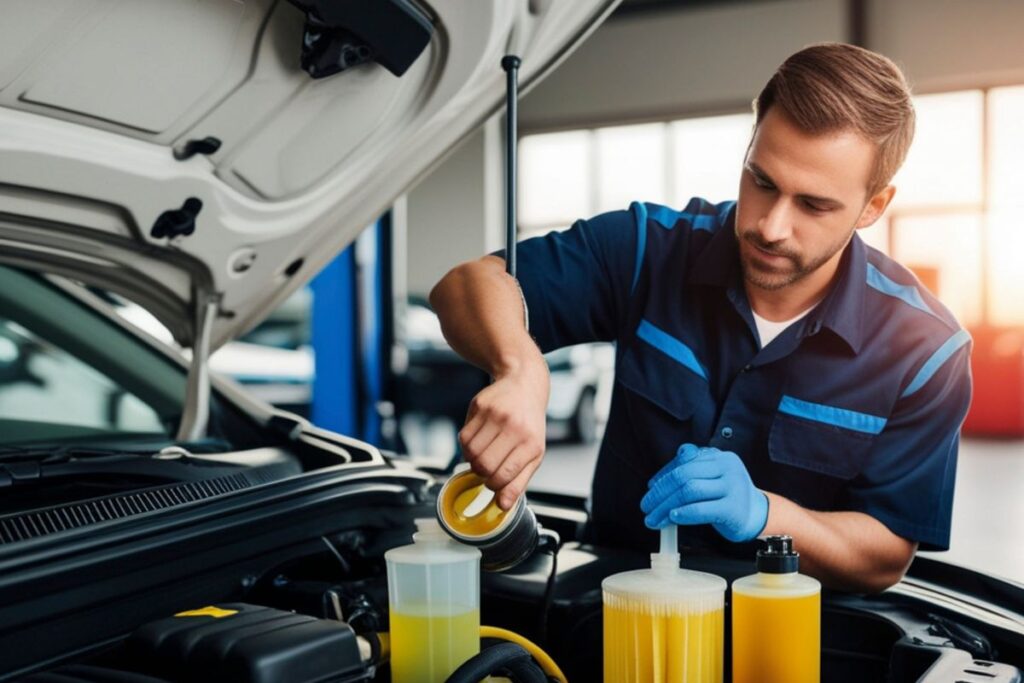
Regular maintenance keeps your car reliable and stops any minor problems from developing into expensive repairs.
A well-serviced engine uses fuel more efficiently, while healthy brakes and suspension reduce wear.
Some checks can be handled yourself, such as topping up screen wash and keeping tyres at the correct pressure.
When your service is due, shopping around for competitive quotes can help you avoid overpaying and keeping a clear record of any work can protect the car’s value when you sell.
Adjust driving habits and lifestyle to lower costs
The way you use your car influences overall costs. Short journeys from a cold start burn more fuel and strain the engine, so combining errands into one big trip can help.
Gentle driving reduces wear on tyres, brakes and the clutch. You can also opt to walk, cycle or use public transport for occasional trips to give your vehicle a rest and shrink your annual mileage.
These realistic, small changes fit around everyday life while keeping more of your money for the things you enjoy the most.