
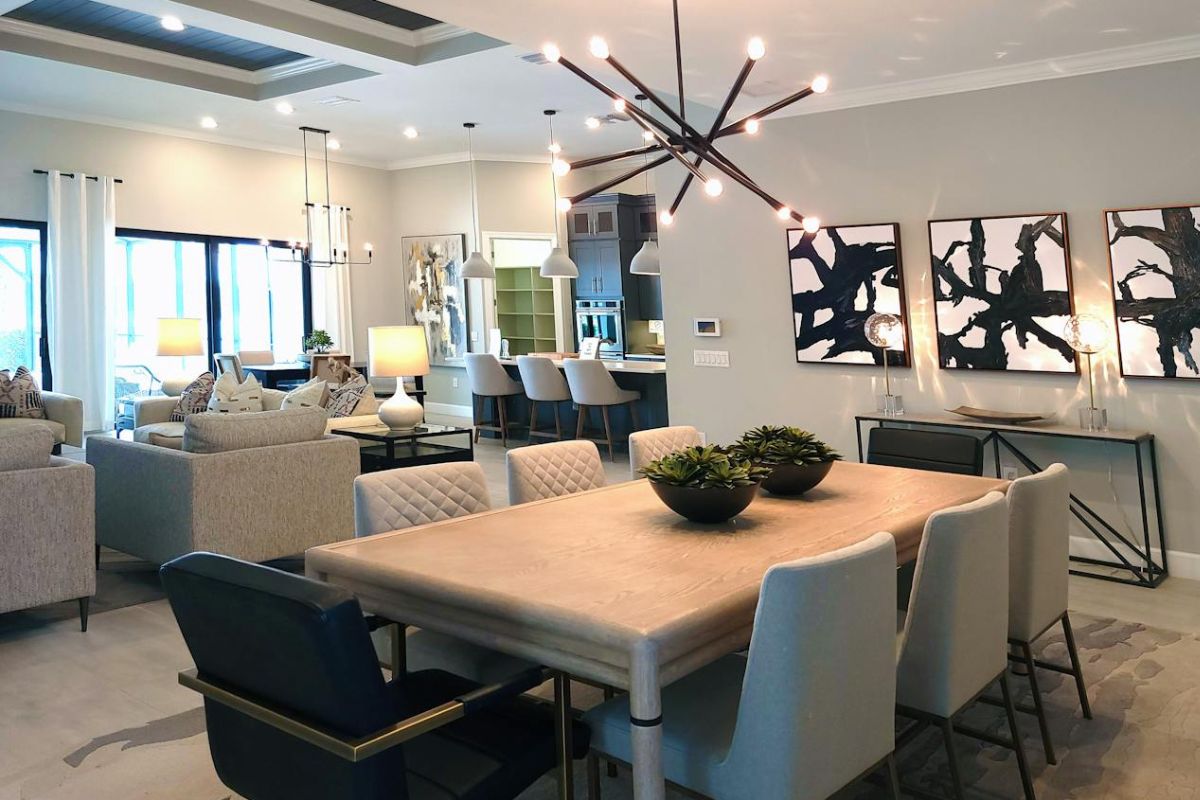
Mastering the Art of Ambience in Your Home
Your home is more than just a place to live; it’s a reflection of your personality, a sanctuary from the outside world, and a space where memories are made.
Designing the perfect ambience goes beyond selecting the right furniture or paint colour – it involves crafting an environment that evokes peace, comfort, and joy.
Whether you’re aiming to create a cosy retreat, a vibrant entertaining space, or a serene haven, here are some essential tips to help you create the perfect atmosphere in your home.
The Key to Setting the Mood
Lighting is one of the most powerful tools in shaping the ambience of any space.

The right lighting can make a room feel warm and inviting, while poor lighting can create a harsh or gloomy atmosphere.
- Layered Lighting: Combine ambient, task, and accent lighting to add depth to your space. Ambient lighting offers general illumination, task lighting focuses on areas for specific activities (like reading or cooking), and accent lighting highlights architectural features or decor.
- Dimmer Switches: Installing dimmer switches allows you to adjust the brightness based on your mood or occasion. Dimming the lights can create a calming, intimate setting, while brighter lighting energises a space.
- Natural Light: Maximise natural light by using sheer curtains, mirrors, and light-coloured walls to reflect sunlight, creating a more expansive and airier feel.
The Foundation of Comfort and Style
The type of flooring you choose significantly influences the atmosphere of a room. While often overlooked, flooring provides a foundation that can impact the visual and tactile experience.
- Hardwood Floors: Timeless and elegant, hardwood floors add warmth and sophistication to any room. The natural texture of wood creates a connection to nature and works well in both traditional and modern interiors.
- Carpet: For spaces where you want to emphasise comfort and cosiness, such as bedrooms or living rooms, carpet is an ideal choice. It softens the room both visually and physically, absorbing sound and making the environment feel more inviting.
- Area Rugs: If you have a hard floor, laying a rug down is a great way to introduce texture and warmth. Rugs add softness underfoot and can serve as a statement piece that ties a room’s colour scheme together.
- Tiles or Stone: In rooms that require durability, like kitchens or bathrooms, tile or stone floors can create a sleek, polished look. Depending on the style, they can evoke modernity or add a rustic charm. Underfloor heating is also an option to keep these surfaces warm and comfortable during colder months.
Influencing Emotion
Colour has a powerful psychological impact, influencing how we feel and behave in a space.
The colours you choose for your walls, furniture, and accessories can either elevate or dampen the ambience.
- Neutral Tones: Shades of white, beige, and grey can create a calming and timeless backdrop. Neutrals allow for more flexibility in adding pops of colour through artwork or textiles without overwhelming the space.
- Bold Hues: If you’re aiming for a more dynamic atmosphere, consider adding vibrant colours like deep blues, rich greens, or bold reds to accent walls or décor. These colours can evoke energy and excitement.
- Cool vs. Warm Tones: Cool tones (blues, greens) are associated with tranquillity, making them perfect for bedrooms and bathrooms. Warm tones (reds, yellows, oranges) create a cosy, inviting atmosphere, ideal for living rooms and kitchens.
Adding Depth and Comfort
Texture is often an overlooked element in interior design, but it plays a vital role in how a room feels. Incorporating various textures can add visual interest and a sense of warmth.
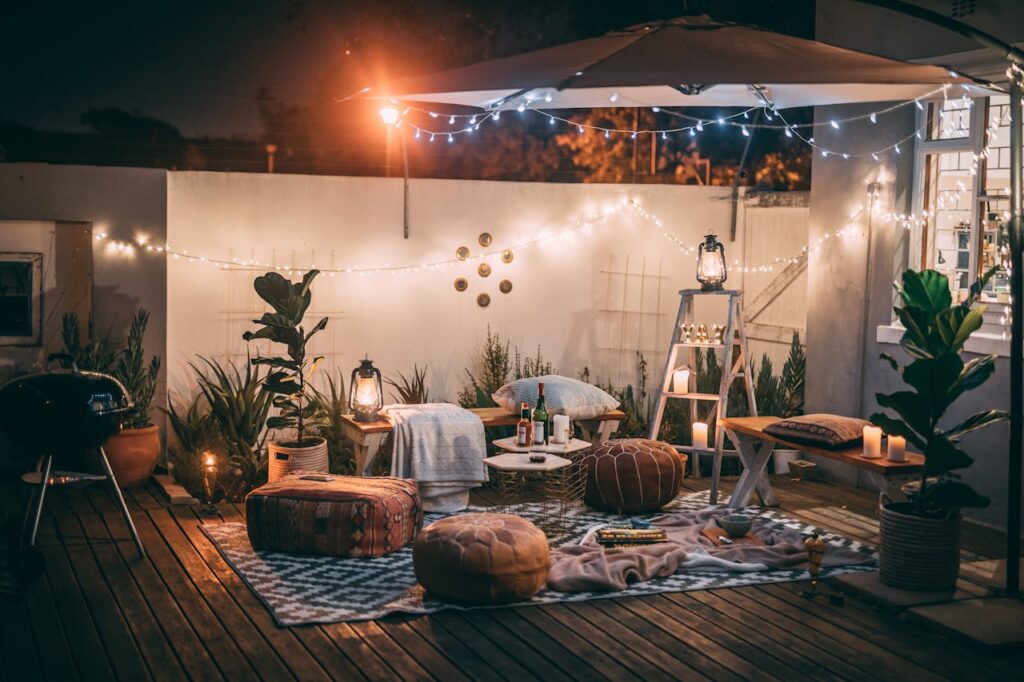
- Soft Textures: Incorporate plush rugs, cushions, and throws to make a space feel cosier. Textiles like velvet or wool can evoke a sense of luxury and comfort, while lighter fabrics like linen create an airy, relaxed feel.
- Natural Elements: Wood, stone, and plants can bring an organic, grounding energy to a space. Whether it’s a reclaimed wood coffee table or a few potted plants, nature-inspired elements help to balance out synthetic materials and add a fresh, calming vibe.
The Smaller Elements
Scent, music, and sound are subtle yet powerful tools for enhancing the ambience of your home.
A pleasant fragrance, whether from scented candles, essential oils, or fresh flowers, can create a calming or energising atmosphere depending on your choice of scent.
Similarly, background music, like soft instrumental tunes or nature sounds, adds a peaceful or lively mood, depending on the occasion.
Balancing acoustics by using soft furnishings like rugs or curtains helps absorb noise, making your space quieter and more comfortable, creating a truly immersive sensory experience.