

Power, Trust, and the Plug Socket: Why PAT Testing Is a Civic Skill
We tend to take electricity for granted. Flip a switch, and the light comes on. Plug in a kettle, and expect it to boil.
But behind the smooth hum of daily convenience is a web of responsibility that’s far from automatic. Faulty plugs, frayed wires, overloaded sockets—these aren’t just annoyances.
They’re accidents waiting to happen. And most of the time, we don’t spot the risk until it’s too late.
That’s where something as specific as PAT testing—Portable Appliance Testing—steps in. It’s not just for electricians or facility managers anymore.
It’s becoming a quiet but essential part of keeping public spaces, homes, and workplaces safe.
And it’s also why more people are choosing to get PAT testing qualified—not just for job security, but as a way to contribute to collective safety in a meaningful, hands-on way.
Safety Isn’t Just for Specialists
We often draw a sharp line between “the experts” and “the rest of us.” That logic works fine when you’re talking about heart surgery or structural engineering.

But electrical safety, especially at the level of portable appliances, sits in a different category. It’s technical, yes—but it’s also learnable, accessible, and absolutely vital to the functioning of any shared space.
From church halls to co-working spaces, classrooms to cafes, someone is responsible for making sure appliances don’t become fire hazards.
In smaller organizations, that someone might be a volunteer. In others, it could be the office manager, the caretaker, or the person who also handles payroll on Fridays.
PAT testing is one of the few technical skills that bridges professional training and civic life. It gives people the know-how to spot real risks, act on them, and keep everyone safer as a result.
The Trust Behind Every Plug
If you walk into a community center and use a kettle, you don’t usually check the cable for damage. You assume it’s been tested.
You assume someone checked the wiring on the extension cord. That kind of trust is a social contract, and PAT testing plays a quiet but crucial role in upholding it.
There’s something refreshingly tangible about this kind of trust. Unlike policy changes or long-winded safety briefings, a passed PAT test is real and measurable. It tells people: this appliance has been checked, it’s safe, and you’re not being left to chance.
In this way, PAT testing goes beyond compliance. It becomes part of an ecosystem of accountability. For landlords, it’s about keeping tenants safe.
For small business owners, it protects customers and staff. And for organizations running on goodwill—food banks, mutual aid groups, youth clubs—it can be the difference between confidence and catastrophe.
Why the Local Matters: Skills in the Community
Too often, conversations about education and training are framed in big-picture terms: economic growth, employment stats, future-proofing.
All important, but they leave out something closer to home. Sometimes, learning a new skill is simply about stepping up for the people around you.
That’s especially true in places like Swansea, where training opportunities like PAT testing courses offer more than a new qualification—they offer local empowerment.
A caretaker at a school, a volunteer at a shelter, a self-employed contractor—any of them can get trained and start making an immediate difference.
And let’s be honest: getting someone local qualified to run tests is also far more practical than waiting on someone from outside the area. It builds resilience from within. That’s not just smart—it’s sustainable.
It’s Not Just Wires and Stickers
Yes, PAT testing involves checking the wiring and labeling things with little green stickers. But the work itself is more than just a checklist.
It sharpens attention to detail, hones observational skills, and gives people the confidence to say, “This isn’t safe—and here’s why.”
Those are the kinds of soft skills we don’t talk about enough. And they matter just as much in a maintenance cupboard as they do in a boardroom.
Being able to back up a decision with clear, trained reasoning isn’t just useful—it’s empowering.
It also helps build a safety-first culture. Once someone in the team knows what to look for, everyone else becomes a little more alert too.
That awareness spreads. Suddenly, checking cables and plugs becomes second nature. No lectures required.
A Certificate with Real-World Impact
Getting certified might seem like a small step, but it has ripple effects. For job seekers, it can be the difference between being overlooked and getting shortlisted.
For freelancers, it adds another tool to the belt—one that makes you a more trusted partner in any work setting.
But even more than that, PAT testing qualifications carry a quiet authority. They say: I took the time to learn something that protects other people. That’s a statement of intent. It says you care. And it shows.
Courses like the one available in Swansea aren’t just about ticking boxes. They’re taught with practical application in mind, and they give people the skills to test confidently, work safely, and document everything clearly.
It’s not academic. It’s applied. And it’s the kind of qualification that sticks with you—because you’re using it almost immediately.
Portable Power, Permanent Change
Here’s the thing about PAT testing: it’s portable in more ways than one. Yes, it deals with portable appliances. But it also travels with the person who learns it.
Someone trained in PAT testing can bring that knowledge into every home, site, or shared space they enter. Whether it’s part of their official job or something they volunteer to do, the skill goes with them.
And the change it creates isn’t always dramatic—but it’s lasting. It’s in the kettle that didn’t catch fire. The Christmas lights that didn’t short out. The pop-up market that ran safely without a hitch.
When safety is embedded in daily life, it’s easy to overlook. But that’s kind of the point, isn’t it? The best safety practices are the ones you don’t even notice.
Bridging the Gap Between Talk and Action
People talk a lot about civic duty, especially when elections come around or policy debates heat up.
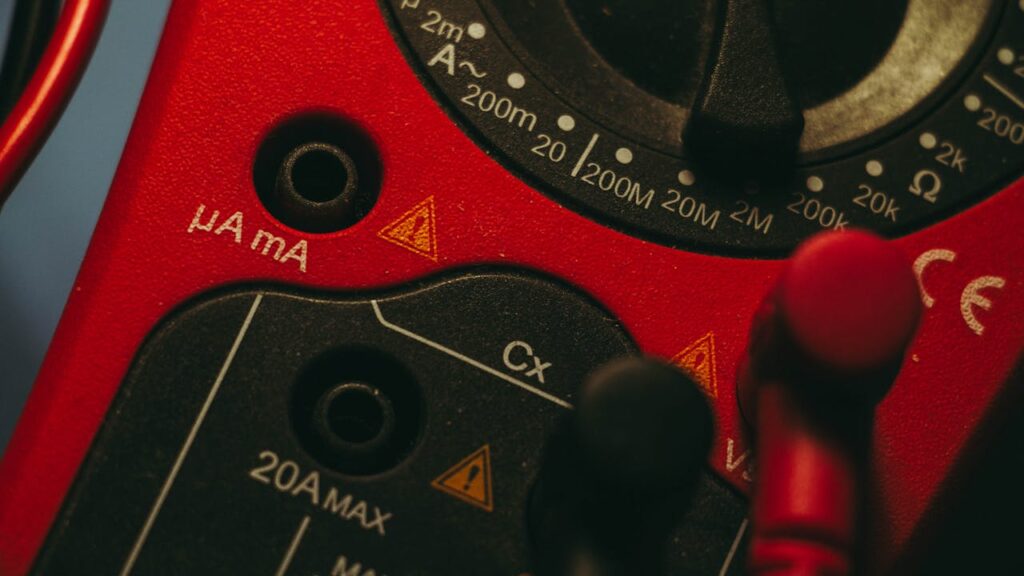
But civic duty doesn’t always have to be about politics or protest. Sometimes, it’s about doing something small and practical that protects people you’ll never meet.
PAT testing hits that sweet spot. It’s visible enough to matter, humble enough not to feel self-important. It doesn’t demand a platform or a speech.
Just a plug, a tester, and someone who knows how to use them. That’s what civic action looks like at ground level.
No Degree Required, Just Willingness
One of the most powerful aspects of PAT testing is how accessible it is. You don’t need a degree.
You don’t need to be an engineer. You just need a willingness to learn, a few hours of training, and a sense of responsibility.
This makes it an excellent entry point for people looking to retrain, upskill, or just make themselves a bit more useful.
It’s also a great example of skills that don’t rely on massive infrastructure or long-term study—just short, focused courses that deliver immediate value.
Like the Swansea course, which is designed to get people testing confidently, quickly, and correctly.
Civic Skills Deserve More Credit
We spend a lot of time celebrating high-tech innovation, but overlook the everyday skills that actually keep people safe.
PAT testing may not win awards or headline conferences, but it’s one of those invisible jobs that holds everything together.
It deserves recognition not just as a technical ability, but as a civic skill—something people learn not just for their own benefit, but for everyone else’s too.
So whether you’re a volunteer, a landlord, a teacher, or just someone who’s ever tripped over a dodgy extension cord and thought, “Surely someone should check this,” maybe it’s time to consider becoming that someone.


